

Index
- Understanding Common Electrical Problems at Home
- Why Electrical Issues Should Never Be Ignored
- Circuit Breaker Problems and What They Mean
- Outlets That Stop Working: Causes and Solutions
- Flickering or Dimming Lights Explained
- Electrical Surges and Their Impact on Your Home
- Overloaded Circuits and Warning Signs
- When DIY Troubleshooting Is Safe
- When to Call a Professional Electrician
- Preventing Future Electrical Problems
- Conclusion
Understanding Common Electrical Problems at Home
Every home experiences electrical issues at some point. While some problems are minor and easy to identify, others can indicate deeper concerns within your electrical system. Knowing how to approach troubleshooting common residential electrical issues helps homeowners respond quickly and safely.
Electrical systems are complex networks that power everything from lighting to appliances and smart devices. When something goes wrong, it is often a symptom of a larger issue such as outdated wiring, overloaded circuits, or improper installations.
Understanding the root cause of these problems is the first step toward maintaining a safe and efficient home.
Why Electrical Issues Should Never Be Ignored
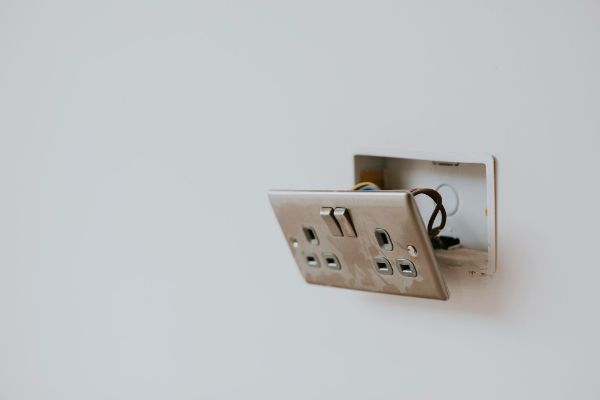
Many homeowners delay addressing electrical problems because they seem minor at first. However, even small issues can escalate quickly.
Ignoring electrical issues can lead to:
- Increased risk of electrical fires
- Damage to appliances and electronics
- Higher energy consumption
- Complete system failures
- Safety hazards for occupants
Addressing problems early ensures your home remains safe and avoids costly repairs in the future.
Circuit Breaker Problems and What They Mean
Circuit breakers are designed to protect your home by shutting off power when an overload or fault is detected.
Common breaker issues include:
- Frequent tripping
- Breakers that won’t reset
- Buzzing sounds from the panel
- Burn marks or unusual heat
What it means:
Frequent tripping usually indicates an overloaded circuit or a short circuit. If breakers fail to reset, there may be a deeper wiring issue that requires professional inspection.
Proper troubleshooting common residential electrical issues starts with understanding how your breaker panel responds to faults.
Outlets That Stop Working: Causes and Solutions
One of the most common issues homeowners face is a non-working outlet.
Possible causes:
- Tripped GFCI outlet
- Loose wiring
- Faulty outlet
- Overloaded circuit
What you can do:
- Check nearby GFCI outlets and reset them
- Inspect your breaker panel
- Test the outlet with another device
If the outlet still doesn’t work, it may require professional repair or replacement.
Flickering or Dimming Lights Explained
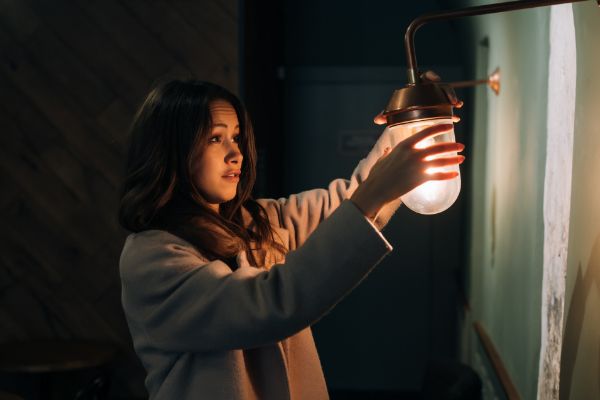
Flickering lights are more than just an annoyance—they can signal underlying electrical problems.
Common causes:
- Loose connections
- Faulty light fixtures
- Voltage fluctuations
- Overloaded circuits
When to be concerned:
If flickering occurs throughout the home or when using major appliances, it may indicate a serious electrical issue.
Consistent flickering should always be evaluated as part of troubleshooting common residential electrical issues.
Electrical Surges and Their Impact on Your Home
Electrical surges are sudden spikes in voltage that can damage electronics and appliances.
Causes of surges:
- Lightning strikes
- Power grid fluctuations
- High-powered appliances cycling on and off
Effects:
- Reduced lifespan of electronics
- Immediate device failure
- Potential fire hazards
Installing surge protection systems is one of the best ways to prevent these problems.
Overloaded Circuits and Warning Signs
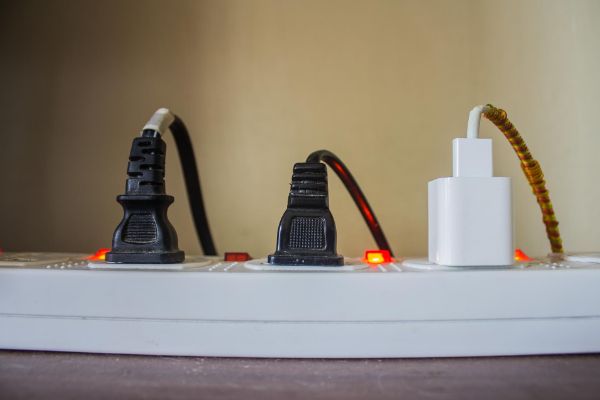
Modern homes use more electricity than ever before. When circuits are overloaded, they cannot safely handle the demand.
Warning signs include:
- Warm or discolored outlets
- Frequent breaker trips
- Burning smells
- Buzzing sounds
Overloaded circuits are one of the most dangerous electrical issues and should be addressed immediately.
When DIY Troubleshooting Is Safe
Homeowners can safely perform basic checks, such as:
- Resetting circuit breakers
- Testing outlets with simple devices
- Replacing light bulbs
However, electrical systems involve risks. Any issue involving wiring, panels, or repeated failures should not be handled without proper training.
When to Call a Professional Electrician
Certain situations require immediate professional attention:
- Repeated breaker trips
- Burning smells or visible damage
- Multiple outlets not working
- Electrical shocks from outlets or switches
- Unexplained power outages
Attempting to fix these issues without expertise can worsen the problem and increase safety risks.
At First Class Electric LLC, we specialize in diagnosing and resolving residential electrical issues safely and efficiently.
Preventing Future Electrical Problems
Preventive maintenance is key to avoiding electrical issues.
Tips for homeowners:
- Schedule regular electrical inspections
- Upgrade outdated wiring
- Avoid overloading circuits
- Install surge protection systems
- Use energy-efficient appliances
- Ensure proper grounding
Taking proactive steps reduces the need for frequent troubleshooting and improves overall system performance.
Conclusion
Understanding how to approach troubleshooting common residential electrical issues empowers homeowners to identify problems early and take appropriate action.
While some issues can be resolved with simple checks, many require professional expertise to ensure safety and long-term reliability. Electrical systems should never be taken lightly, as even minor problems can escalate into serious hazards.
Working with experienced electricians ensures your home remains safe, efficient, and compliant with modern standards.