

Index
- Understanding GFCI and AFCI Protection
- What Is a GFCI Device?
- What Is an AFCI Device?
- Why Modern Homes Require Both Types of Protection
- Where GFCI Protection Is Required
- Where AFCI Protection Is Required
- Common Warning Signs of Faulty Protection Devices
- Benefits of Upgrading to Modern Safety Devices
- Electrical Code Requirements in Oklahoma
- Why Professional Installation Matters
- Maintaining Your Electrical Protection Devices
- Conclusion
Understanding GFCI and AFCI Protection
Electrical safety has advanced significantly over the years, and modern homes now rely on devices designed specifically to prevent shocks and electrical fires. Two of the most important technologies are Ground Fault Circuit Interrupters (GFCI) and Arc Fault Circuit Interrupters (AFCI).
While they serve different purposes, both are critical for maintaining a safe electrical system. Understanding GFCI and AFCI protection for home safety can help homeowners prevent accidents and ensure compliance with current electrical codes.
These devices are designed to detect dangerous conditions and interrupt electrical flow before serious injuries or property damage occur.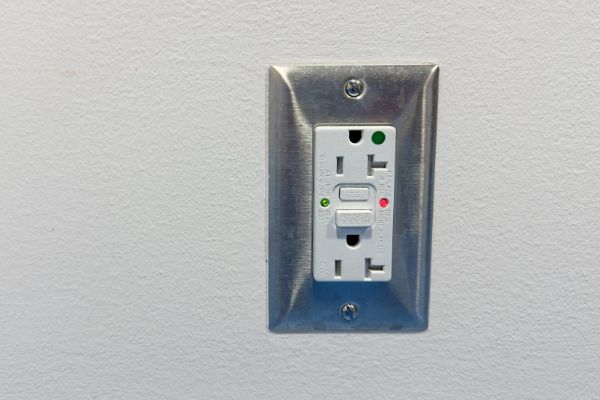
What Is a GFCI Device?
A Ground Fault Circuit Interrupter, commonly known as a GFCI, protects people from electric shock. It constantly monitors the flow of electricity and shuts off power within milliseconds if it detects an imbalance.
GFCI devices protect against:
- Electric shocks
- Ground faults
- Moisture-related hazards
- Accidental contact with energized equipment
Because water increases the risk of electrical shock, GFCI protection is especially important in wet or damp areas.
Many homeowners recognize GFCI outlets by the "TEST" and "RESET" buttons located on the receptacle.
What Is an AFCI Device?
Arc Fault Circuit Interrupters (AFCIs) protect homes from electrical fires caused by arcing conditions. Arcing occurs when electricity jumps between damaged wires or loose connections, generating excessive heat.
AFCI devices help prevent:
- Electrical fires
- Damage from loose connections
- Overheated wiring
- Faults hidden behind walls
Unlike standard breakers, AFCI devices can detect dangerous arc patterns before they become serious hazards.
Modern electrical systems rely heavily on GFCI and AFCI protection for home safety because they address different but equally important risks.
Why Modern Homes Require Both Types of Protection
GFCI and AFCI devices complement one another.
GFCI Protection
Protects people from shock.
AFCI Protection
Protects structures from fire.
Together, they create multiple layers of safety throughout the home.
As homes become more dependent on electronics, appliances, and smart devices, electrical systems become increasingly complex. Installing proper protection is essential for preventing accidents and ensuring long-term reliability.
Where GFCI Protection Is Required
Current electrical codes require GFCI protection in locations where water is present.
Common locations include:
- Bathrooms
- Kitchens
- Laundry rooms
- Garages
- Basements
- Outdoor receptacles
- Utility rooms
- Crawl spaces
These areas present a higher risk of electrical shock due to moisture and conductive surfaces.
Regular testing of GFCI outlets helps ensure they continue functioning properly.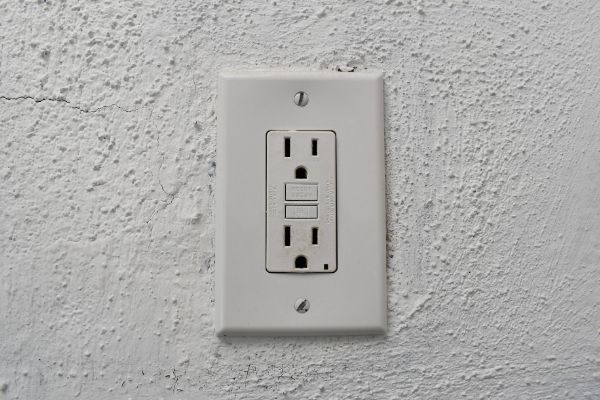
Where AFCI Protection Is Required
AFCI protection is commonly required in living areas where damaged wiring or loose connections could lead to electrical fires.
Typical locations include:
- Bedrooms
- Living rooms
- Dining rooms
- Hallways
- Closets
- Family rooms
- Home offices
Because many arc faults occur behind walls, they often go unnoticed until significant damage has already occurred.
Installing AFCI breakers adds an important layer of fire protection to modern homes.
Common Warning Signs of Faulty Protection Devices
Like any electrical component, GFCI and AFCI devices can wear out over time.
Signs of problems include:
- Devices that won't reset
- Frequent nuisance tripping
- Burn marks or discoloration
- Intermittent power loss
- Buzzing noises
- Older outlets without test buttons
If any of these symptoms occur, homeowners should schedule an inspection with a licensed electrician.
Ignoring faulty protection devices can compromise the safety of the entire electrical system.
Benefits of Upgrading to Modern Safety Devices
Installing modern GFCI and AFCI devices offers several advantages.
Enhanced Safety
These devices significantly reduce the risk of shock and fire.
Code Compliance
Upgrading helps ensure compliance with current National Electrical Code requirements.
Improved Home Value
Homes with updated electrical safety features are more attractive to buyers.
Lower Risk of Property Damage
Electrical fires and shock-related accidents can lead to expensive repairs and insurance claims.
Peace of Mind
Knowing your home is protected provides confidence and security for your family.
Investing in GFCI and AFCI protection for home safety is one of the smartest upgrades homeowners can make.
Electrical Code Requirements in Oklahoma
Electrical codes continue to evolve to improve safety.
In Oklahoma, residential electrical systems generally follow the National Electrical Code (NEC), which requires GFCI and AFCI protection in many areas of the home.
Code requirements may vary depending on:
- Home age
- Remodeling projects
- Room additions
- Panel upgrades
Homeowners planning renovations should ensure their electrical systems meet current standards.
At First Class Electric LLC, we stay up to date with local and national code requirements to provide safe, compliant installations.
Why Professional Installation Matters
Installing GFCI outlets and AFCI breakers involves more than simply replacing components.
Professional electricians ensure:
- Proper wiring connections
- Correct breaker sizing
- Safe grounding practices
- Compliance with current codes
- Thorough testing and verification
Improper installation can result in nuisance tripping or reduced protection.
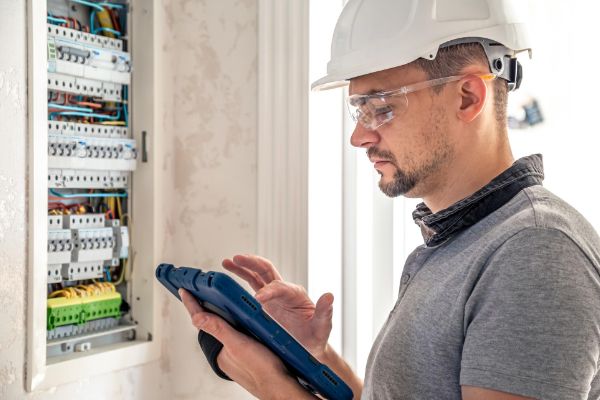
At First Class Electric LLC, our licensed electricians specialize in installing and upgrading modern electrical safety devices for homeowners throughout Tulsa and surrounding areas.
Maintaining Your Electrical Protection Devices
Although GFCI and AFCI devices are highly reliable, routine maintenance is recommended.
Homeowners should:
- Test GFCI outlets monthly
- Schedule periodic electrical inspections
- Replace aging devices when necessary
- Address recurring tripping immediately
Preventive maintenance ensures your protection systems continue working effectively for years to come.
Conclusion
Electrical safety should always be a top priority. Understanding the importance of GFCI and AFCI protection for home safety allows homeowners to take proactive steps to protect their families and property.
These devices provide critical defense against electrical shocks and fires, making them essential components of modern residential electrical systems.
Whether you're upgrading an older home or building a new one, investing in proper electrical protection helps create a safer and more reliable living environment.