

Index
- Why Electrical Safety Should Be a Family Priority
- Teach Children to Respect Outlets, Cords, and Electrical Devices
- Avoid Overloading Outlets and Circuits
- Use Extension Cords Carefully and Temporarily
- Watch for Warning Signs of Electrical Problems
- Keep Electricity Away from Water
- Use Appliances and Chargers Responsibly
- Make Electrical Safety Part of Kitchen Habits
- Improve Safety in Bedrooms and Living Areas
- Pay Attention to Outdoor Electrical Hazards
- Prepare Your Electrical System for Severe Weather and Outages
- Make Electrical Safety Part of Home Renovations
- Schedule Professional Electrical Evaluations When Needed
- Build Better Electrical Safety Habits as a Family
- Conclusion
Why Electrical Safety Should Be a Family Priority
Electrical hazards are not always obvious. A damaged connection may be hidden behind a wall. An aging outlet may continue working even though it shows signs of wear. A circuit may appear normal until additional appliances increase demand. In other situations, everyday habits such as relying heavily on extension cords or using damaged chargers can create avoidable concerns.
A safer household begins with awareness. Family members should understand that electrical systems deserve the same attention as other important home systems. Unusual heat, repeated breaker trips, damaged cords, loose outlets, burning odors, buzzing sounds, and unexplained flickering should not simply become accepted as normal.
Good electrical safety is also about prevention. Families can reduce risk by using equipment according to its intended purpose, keeping electrical devices away from water, avoiding overloaded connections, and requesting professional evaluation when a problem persists.
The goal is not to make homeowners afraid of electricity. It is to encourage informed habits and timely action when something does not appear normal.

Teach Children to Respect Outlets, Cords, and Electrical Devices
Homes with young children require additional attention because children naturally explore their surroundings. Outlets, cords, switches, power strips, and electronic devices may attract curiosity without children understanding the potential danger.
Parents and caregivers should establish simple household rules that are easy to remember. Children should be taught never to insert objects into receptacles, pull plugs by the cord, play with electrical cables, or touch devices with wet hands.
Families can also review the home from a child's perspective. Consider areas where outlets are easily accessible, cords cross play spaces, or power strips sit behind furniture that children can reach.
Useful precautions may include:
- Using appropriate protective features where needed
- Keeping cords organized and away from play areas
- Replacing damaged plugs and cables
- Avoiding loose cords that children can pull
- Keeping electrical devices away from sinks and bathtubs
- Teaching older children how to disconnect devices properly
Electrical education should evolve as children grow. Teenagers may use gaming systems, computers, hair tools, chargers, kitchen appliances, and other equipment independently. They should understand that a power strip does not create unlimited electrical capacity and that damaged equipment should be reported rather than ignored.
Avoid Overloading Outlets and Circuits
One of the most important electrical safety tips for families is to avoid treating every outlet as an unlimited source of power. Modern households often use many devices simultaneously, particularly in kitchens, entertainment areas, bedrooms, workshops, and home offices.
A common problem occurs when multiple devices are connected through adapters, power strips, or extension cords because the room does not have enough conveniently located receptacles. This may be a sign that the electrical layout no longer matches the household's needs.
Potential warning signs of excessive demand can include:
- Breakers that trip repeatedly
- Lights that dim when equipment starts
- Warm outlets or switch plates
- Discoloration around electrical components
- Buzzing or crackling sounds
- Persistent burning odors
- Frequent reliance on multiple adapters
If a circuit repeatedly trips, simply resetting the breaker without understanding why may leave the underlying issue unresolved. A licensed electrician can evaluate whether the problem involves excessive demand, faulty equipment, a circuit issue, or another condition.
For families whose electrical needs have changed significantly, additional circuits or broader system improvements may provide a safer and more practical long-term solution.
Use Extension Cords Carefully and Temporarily
Extension cords are useful, but they should not automatically become permanent substitutes for adequate electrical infrastructure. A cord running behind furniture for years, beneath a rug, through a doorway, or across a busy walkway can create problems.
Families should avoid:
- Using visibly damaged extension cords
- Placing cords where they can be crushed
- Running cords beneath rugs or carpeting
- Using indoor-rated products outdoors
- Connecting multiple extension cords together
- Allowing cords to create tripping hazards
- Using temporary wiring as a permanent household solution
If a room consistently requires extension cords because receptacles are poorly located or insufficient, it may be worth discussing additional outlet installation with a professional electrician.
This is particularly relevant in older homes that were designed before families owned multiple computers, televisions, chargers, smart devices, and other modern electronics.
Watch for Warning Signs of Electrical Problems
Families should know how to recognize changes in the electrical system. Early warning signs do not always identify one specific problem, but they can indicate that further evaluation is appropriate.
Pay attention to:
- Frequently flickering lights
- Repeated breaker trips
- Outlets that work intermittently
- Loose plugs that fall from receptacles
- Unusual heat around outlets or switches
- Buzzing from electrical components
- Burning or unusual odors
- Sparks that appear abnormal
- Visible discoloration
- Electrical shocks or tingling sensations
A single symptom may have several possible causes. For example, flickering can relate to a fixture, a connection, equipment operation, or a broader electrical concern. This is why persistent symptoms should be properly diagnosed rather than guessed at.
If there is smoke, active burning, or another immediate emergency, occupants should prioritize personal safety and contact appropriate emergency services. Electrical emergencies are not situations for experimentation.
Keep Electricity Away from Water
Water and electricity are a dangerous combination, making bathrooms, kitchens, laundry areas, garages, and outdoor spaces important parts of a family safety plan.
Household members should avoid handling plugged-in devices with wet hands and should keep portable electrical equipment away from sinks, tubs, pools, and other wet environments.
Families should also pay attention to outlets and electrical equipment in moisture-prone locations. If a protective device repeatedly trips, the correct response is not to bypass it. Repeated tripping may indicate a condition that deserves investigation.
Teach children and teenagers that common devices such as hair dryers, styling tools, speakers, chargers, and kitchen appliances require additional caution around water.
Use Appliances and Chargers Responsibly
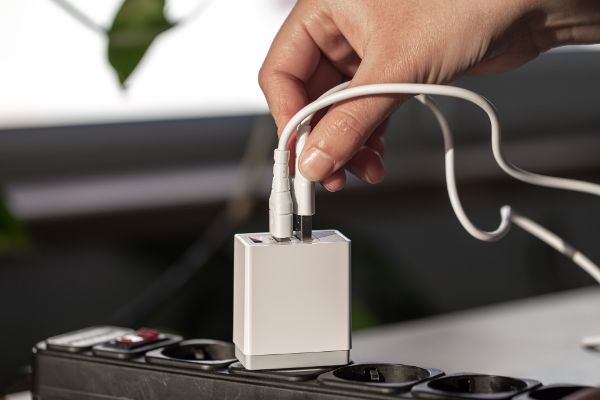
Modern families often have dozens of chargers and electronic devices operating throughout the home. Phones, tablets, laptops, headphones, watches, toys, cameras, and other products may remain connected for long periods.
Good habits include:
- Replacing damaged charging cables
- Avoiding visibly damaged plugs
- Keeping charging equipment away from excessive heat
- Using equipment according to manufacturer instructions
- Avoiding questionable adapters
- Keeping ventilation openings clear
- Disconnecting damaged devices from service
Large appliances also deserve attention. Refrigerators, washers, dryers, ovens, HVAC equipment, and other high-demand systems should have appropriate electrical support.
If adding a major appliance changes how the home's electrical system behaves, a professional evaluation may be appropriate.
Make Electrical Safety Part of Kitchen Habits
The kitchen is one of the busiest electrical areas in a home. Families may operate refrigerators, microwaves, coffee makers, dishwashers, countertop appliances, and other equipment throughout the day.
Safe kitchen habits include keeping cords away from hot surfaces, disconnecting damaged appliances, avoiding unnecessary crowding around receptacles, and keeping electrical devices away from water.
Families should also consider how their kitchen has changed over time. An older kitchen may have been designed for fewer appliances than a modern household uses today.
During a kitchen remodel, electrical planning should be addressed early. Waiting until cabinets, counters, and finishes are complete can limit options and create unnecessary complications.
First Class Electric LLC can help Tulsa homeowners evaluate electrical needs as part of renovation planning, especially when new appliances, lighting, or circuits are involved.
Improve Safety in Bedrooms and Living Areas
Bedrooms and living spaces may appear less electrically demanding than kitchens, but modern habits have changed these rooms significantly.
A bedroom may now include:
- Televisions
- Computers
- Gaming systems
- Phone chargers
- Portable heaters
- Lamps
- Smart speakers
- Air purifiers
Living rooms may include complex entertainment systems, networking equipment, powered furniture, and smart home technology.
Families should periodically inspect visible cords and avoid placing damaged cables behind furniture where deterioration can go unnoticed. Furniture should not crush plugs or place excessive pressure on cords.
Portable heaters deserve particular care. They should be used according to manufacturer instructions and kept away from combustible materials. If operating equipment repeatedly causes a breaker to trip, the underlying reason should be investigated.
Pay Attention to Outdoor Electrical Hazards
Electrical safety does not stop at the front door. Outdoor areas may include lighting, receptacles, tools, pumps, entertainment equipment, and seasonal decorations.
Families should:
- Use equipment intended for outdoor conditions
- Inspect cords before use
- Keep connections away from standing water
- Avoid using damaged tools
- Be cautious around overhead power lines
- Never approach downed power lines
- Keep electrical equipment protected from inappropriate exposure
After severe weather, damaged outdoor electrical equipment should be treated cautiously. If a fixture, receptacle, service component, or cable appears damaged, professional evaluation may be necessary.
Tulsa-area weather can make outdoor electrical awareness especially important for homeowners maintaining patios, garages, yards, workshops, and exterior lighting systems.
Prepare Your Electrical System for Severe Weather and Outages
Families should include electrical considerations in household emergency planning. Storms and outages can affect lighting, refrigeration, communications, medical equipment, internet access, and other important systems.
Preparation may include:
- Keeping flashlights available
- Maintaining batteries for emergency equipment
- Knowing where the electrical panel is located
- Understanding which breaker controls important areas
- Protecting sensitive electronics appropriately
- Planning for critical household needs
- Discussing backup power options when appropriate
Generators and other backup systems require careful planning. Improper connections can create serious hazards. Families considering backup power should work with qualified professionals to determine a safe setup for their needs.
Know When a Circuit Breaker Is Warning You About a Problem
A circuit breaker is a protective device, not an inconvenience to defeat. When a breaker trips, it is responding to a condition in the circuit.
A one-time trip associated with a clear temporary overload may be understandable. Repeated trips, however, deserve attention.
Homeowners should not repeatedly reset a breaker that continues to trip without identifying the cause. They should also avoid replacing a breaker with a different rating as an improvised solution.
Possible causes of repeated tripping can vary and may involve circuit demand, connected equipment, wiring conditions, or faults. Proper diagnosis matters because the visible symptom does not always reveal the underlying problem.
Make Electrical Safety Part of Home Renovations
Renovations create an opportunity to improve more than appearance. When walls are opened, rooms are reconfigured, or major appliances are added, homeowners can evaluate whether the electrical system still supports the property's needs.
A renovation plan may consider:
- Outlet placement
- Lighting design
- Dedicated circuits
- Panel capacity
- Modern protective devices
- Future technology
- Home office requirements
- Smart home features
- EV charging plans
Electrical work should be coordinated early with the broader renovation rather than treated as a last-minute detail.
This approach can improve functionality and reduce the temptation to rely on extension cords, adapters, or other temporary solutions after the project is finished.
Schedule Professional Electrical Evaluations When Needed
Not every household electrical concern can be diagnosed visually. Some problems involve hidden wiring, connections, circuit behavior, or panel conditions that require professional knowledge and testing.
A professional evaluation may be particularly useful when:
- Breakers trip repeatedly
- Multiple outlets stop working
- A home has undergone significant renovations
- Electrical demand has increased
- Warning signs persist
- The property has aging electrical components
- New high-demand equipment is planned
- The household is unsure about system condition
A licensed electrician can assess the situation and recommend appropriate next steps based on the actual condition of the system.
For Tulsa-area homeowners, First Class Electric LLC provides residential electrical services focused on professional workmanship, communication, and reliable solutions.
Build Better Electrical Safety Habits as a Family
The most effective electrical safety tips for families become more valuable when they turn into everyday habits.
Families can create a simple routine:
- Report damaged cords immediately
- Do not ignore unusual electrical smells
- Keep devices away from water
- Avoid overloading connections
- Teach children age-appropriate safety rules
- Pay attention to recurring breaker trips
- Review outdoor equipment before seasonal use
- Contact a professional when symptoms persist
Parents and caregivers do not need to teach complex electrical theory. Clear rules and consistent habits are more useful.
For example, children can learn that outlets are not toys, teenagers can learn not to overload power strips, and adults can agree not to ignore recurring warning signs.

Conclusion
Electrical safety is an essential part of protecting a modern household. Families depend on electricity every day, but safe use requires awareness, responsible habits, and attention to warning signs.
By following practical electrical safety tips for families, homeowners can reduce avoidable risks, teach children better habits, recognize potential concerns earlier, and make more informed decisions about maintenance and upgrades.
The most important principle is simple: persistent electrical problems should not be normalized. Repeated breaker trips, unusual heat, damaged components, burning odors, shocks, and other warning signs deserve appropriate attention.
A safer home combines good family habits with a properly maintained electrical system. When professional evaluation or electrical work is needed, experienced electricians can help identify concerns and develop solutions appropriate for the property.