

Index
- Why Residential Electrical Codes Matter
- Understanding the National Electrical Code
- Oklahoma and Local Electrical Requirements
- GFCI Protection in Residential Properties
- AFCI Protection and Fire Prevention
- Electrical Panel and Circuit Requirements
- Grounding and Bonding in Modern Homes
- Outlet Placement and Residential Electrical Safety
- Electrical Requirements for Kitchens and Bathrooms
- Outdoor and Garage Electrical Requirements
- Electrical Codes During Home Renovations
- Permits and Electrical Inspections
- Older Homes and Outdated Electrical Systems
- Common Electrical Code Problems Homeowners May Encounter
- Why Professional Electrical Work Matters
- Planning Future Electrical Upgrades
- Conclusion
Why Residential Electrical Codes Matter
Electrical codes establish minimum standards for the safe design and installation of electrical systems. Their purpose is not simply to create rules for contractors. They help reduce risks associated with electrical shock, overheating, fires, equipment damage, and improper installations.
Residential electrical systems have changed dramatically over the decades. Homes now contain more appliances, electronic devices, entertainment equipment, home offices, HVAC systems, smart technology, and charging equipment than previous generations of houses were designed to support.
As electrical demand changes, safety standards evolve as well.
Code-compliant electrical work helps ensure that circuits, breakers, conductors, outlets, and other components are selected and installed appropriately for their intended use.
For homeowners, this can translate into a safer and more dependable electrical system.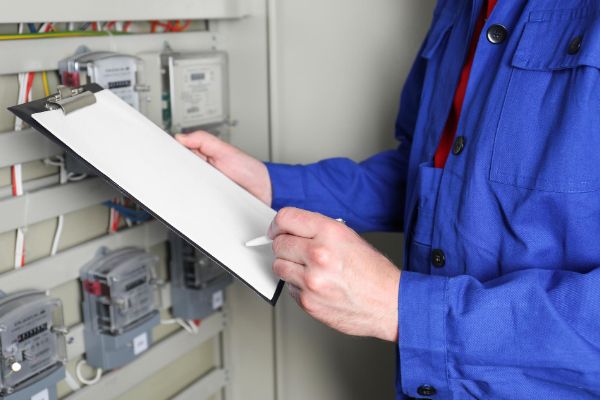
Understanding the National Electrical Code
One of the most important references in the electrical industry is the National Electrical Code, commonly abbreviated as NEC.
The NEC establishes widely recognized electrical safety standards covering topics such as wiring methods, circuit protection, grounding, equipment installation, and many other aspects of electrical work.
However, homeowners should understand an important distinction: the NEC itself is a model code. The enforceable requirements for a particular property depend on the code editions and amendments adopted by the applicable state and local authorities.
That is why a homeowner should not assume that something found in an online NEC discussion automatically describes the exact requirement for a specific Tulsa project.
Local permitting authorities and qualified electrical professionals can determine which requirements apply to the work being performed.
This distinction is particularly important because electrical code requirements for Oklahoma homes can involve state rules, locally adopted requirements, amendments, permits, and inspection procedures.
Oklahoma and Local Electrical Requirements
Electrical projects in Oklahoma may be affected by state licensing requirements as well as rules adopted by local jurisdictions.
For a Tulsa homeowner, this means a renovation or electrical installation should be evaluated according to the requirements applicable to the property's location and the type of work being performed.
Local requirements may affect matters such as:
- Electrical permits
- Required inspections
- Service installations
- Panel replacements
- New circuits
- Remodels and additions
- Equipment installations
- Final approval of completed work
Because regulations can change, homeowners should avoid relying on old articles, previous projects, or information from another city as their only source of guidance.
A licensed electrician familiar with the Tulsa area can help determine what applies to a particular project.
GFCI Protection in Residential Properties
Ground Fault Circuit Interrupter protection is an important feature of modern residential electrical safety.
A GFCI is designed to respond rapidly when it detects an imbalance in electrical current that could indicate current flowing along an unintended path.
This type of protection is particularly important in areas where electricity and moisture may be present.
Depending on applicable requirements and the installation, GFCI protection may be relevant in locations such as kitchens, bathrooms, garages, outdoor areas, basements, laundry spaces, and other specified areas.
Homeowners often recognize GFCI receptacles by their TEST and RESET buttons, although protection can also be provided through other configurations.
If a GFCI repeatedly trips, refuses to reset, or appears damaged, homeowners should not simply bypass the protection. The condition may require further evaluation.
AFCI Protection and Fire Prevention
Arc Fault Circuit Interrupter protection addresses a different electrical hazard.
An arc fault can occur when electricity travels through an unintended path because of damaged conductors, deteriorated connections, loose wiring, or other electrical conditions. Certain arc faults can generate enough heat to contribute to a fire.
AFCI technology is designed to detect characteristics associated with dangerous arcing and interrupt the affected circuit.
Modern code requirements have expanded the use of AFCI protection in residential environments over time.
This is especially relevant during renovations and electrical upgrades. A project involving new or modified circuits may trigger requirements that were not in effect when an older house was originally constructed.
Understanding both GFCI and AFCI protection is therefore an important part of understanding modern electrical code requirements for Oklahoma homes.
Electrical Panel and Circuit Requirements
The electrical panel is the distribution center of the home's electrical system. Electricity enters the property and is distributed through individual circuits protected by breakers.
A properly designed system considers factors such as electrical demand, circuit capacity, conductor sizing, breaker selection, and the equipment being supplied.
Potential concerns can arise when homeowners continually add electrical loads without considering the capacity of the existing system.
Examples may include adding:
- Large kitchen appliances
- Electric heating equipment
- Hot tubs
- Workshop equipment
- Additional HVAC equipment
- Electric vehicle charging
- Home additions
- Major entertainment systems
An electrical panel should not simply be modified to accommodate additional equipment without determining whether the service and circuits can safely support the new demand.
Professional load calculations and system evaluation can help determine whether an upgrade is appropriate.
Grounding and Bonding in Modern Homes
Grounding and bonding are fundamental parts of electrical safety, although homeowners often do not see or interact with these systems directly.
Grounding helps establish an electrical connection to ground as required by the system design, while bonding helps create effective electrical continuity between conductive components that should be connected.
Together, properly designed grounding and bonding systems support the safe operation of electrical protective devices and help manage fault conditions.
Improper grounding should not be treated as a minor technical detail. Problems can affect the safety and performance of the electrical system.
Because proper grounding and bonding depend on system configuration and applicable requirements, this work should be evaluated and performed by qualified professionals.
Outlet Placement and Residential Electrical Safety
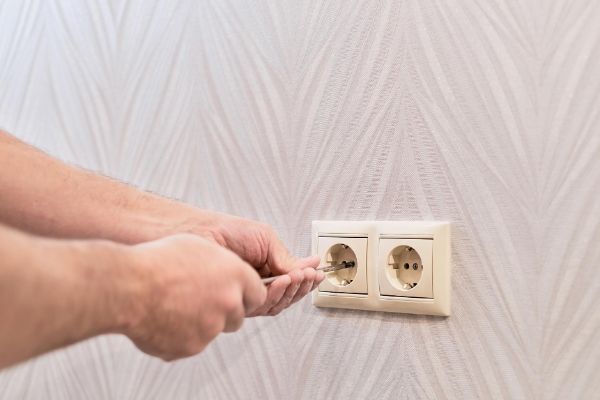
Modern electrical codes include requirements affecting receptacle placement and availability in residential spaces.
These requirements help reduce dependence on extension cords and provide practical access to electricity throughout the home.
An older property may have fewer receptacles because it was built when families used far fewer electrical devices.
Today, a living space may contain televisions, computers, chargers, lamps, networking equipment, gaming systems, smart devices, and powered furniture.
During renovations, homeowners should consider whether existing receptacle placement still meets their needs.
Adding properly installed outlets can improve convenience while reducing the temptation to rely on permanent extension-cord arrangements.
Other requirements may also apply to receptacle types, locations, tamper resistance, and protective devices depending on the area and project.
Electrical Requirements for Kitchens and Bathrooms
Kitchens and bathrooms deserve particular attention because they combine significant electrical use with conditions that can increase safety concerns.
A modern kitchen may contain:
- Refrigerator
- Dishwasher
- Microwave
- Range or cooktop
- Garbage disposal
- Coffee maker
- Toaster
- Small countertop appliances
Many of these loads require careful circuit planning, and some equipment may require dedicated circuits.
Bathrooms also combine electricity with moisture, making appropriate protection especially important.
When remodeling either area, electrical planning should occur early in the project. Cabinet layouts, appliance locations, countertops, lighting, ventilation, and receptacle placement can all influence electrical design.
Waiting until construction is nearly complete can make proper electrical installation more difficult and expensive.
Outdoor and Garage Electrical Requirements
Garages and outdoor spaces also have specialized electrical considerations.
Outdoor receptacles, exterior lighting, detached structures, garage equipment, and similar installations may be exposed to moisture, temperature changes, and physical conditions that do not exist inside typical living areas.
Proper equipment selection matters.
Electrical components should be appropriate for their intended location, and required protective measures should be incorporated into the installation.
Garages are also becoming more electrically demanding because homeowners increasingly use them for workshops, appliances, tools, battery chargers, and electric vehicles.
If you plan to install an EV charger or other high-demand equipment, the existing electrical system should be evaluated before installation.
Electrical Codes During Home Renovations
Renovations are one of the most common situations in which homeowners encounter modern electrical requirements.
A house does not necessarily need every electrical component replaced simply because it is older. However, when electrical work is added or substantially modified, current requirements may apply to the new work and, depending on the circumstances, may affect related portions of the system.
The exact requirements depend on the scope and jurisdiction.
This is one reason electrical planning should be incorporated into a remodeling project from the beginning.
Before walls are closed, contractors can evaluate wiring routes, circuit needs, lighting, receptacles, protective devices, and future electrical requirements.
Proper planning can also prevent finished walls from having to be reopened because an electrical requirement was overlooked.
Permits and Electrical Inspections
Permits and inspections provide an important layer of oversight for electrical work.
Not every minor activity necessarily requires the same process, but significant projects may require permits and inspections from the appropriate authority.
Examples may include certain:
- Service changes
- Panel replacements
- Major remodels
- New construction
- Additions
- New electrical systems
- Significant circuit installations
Requirements vary by project and jurisdiction, so homeowners should verify what applies before work begins.
A professional electrical contractor can help navigate the appropriate process for work within its scope.
Inspections also provide an opportunity for completed work to be reviewed for compliance with applicable requirements.
Older Homes and Outdated Electrical Systems
Tulsa has homes representing many different construction periods, which means electrical systems can vary significantly from one property to another.
An older electrical system is not automatically unsafe simply because of its age. However, age can increase the likelihood of modifications, worn components, outdated configurations, or a system that no longer matches modern electrical demand.
Homeowners with older properties should pay attention to issues such as:
- Limited circuit capacity
- Frequently tripping breakers
- Insufficient receptacles
- Previous unprofessional modifications
- Aging electrical components
- Lack of modern protective devices
- Difficulty supporting new equipment
An electrical inspection can help determine the actual condition of the system rather than making assumptions based solely on the age of the house.
Common Electrical Code Problems Homeowners May Encounter
Some electrical concerns are discovered during renovations, property transactions, or professional inspections.
Examples can include:
- Improper wiring connections
- Missing protective devices
- Incorrect breaker or conductor combinations
- Inadequate grounding or bonding
- Improperly installed electrical boxes
- Unsafe modifications from previous DIY projects
- Electrical equipment used in inappropriate locations
- Overcrowded or poorly modified panels
Not every issue can be identified by a homeowner simply by looking at an outlet or panel.
This is why professional evaluation becomes important when buying an older home, planning significant remodeling, or encountering persistent electrical problems.
Why Professional Electrical Work Matters
Electrical codes are detailed because electrical systems can create serious hazards when improperly designed or installed.
Licensed professionals understand how factors such as conductor sizing, circuit loading, equipment ratings, grounding, bonding, and protective devices work together.
Professional electrical work also helps homeowners avoid a common mistake: fixing the visible symptom without addressing the underlying electrical condition.
First Class Electric LLC provides residential electrical services for Tulsa and surrounding areas, helping homeowners evaluate electrical needs and complete projects with safety and professional workmanship in mind.
Whether a project involves renovations, new equipment, repairs, or system upgrades, proper planning can make a significant difference.
Planning Future Electrical Upgrades
Electrical code compliance should not only address today's needs. Homeowners can also use renovation and upgrade projects as opportunities to prepare for future electrical demand.
Future considerations may include:
- Electric vehicle charging
- Smart home automation
- Additional HVAC equipment
- Home offices
- Outdoor living spaces
- Energy monitoring
- Backup power
- Battery storage
- Expanded kitchens
- Workshop equipment
Planning ahead can reduce the need for expensive modifications later.
For example, when upgrading a panel, homeowners may want to discuss anticipated future loads with their electrician rather than sizing the project only around today's equipment.
This approach helps create an electrical system that is safer, more practical, and better prepared for changes in technology and lifestyle.

Conclusion
Understanding the basics of electrical code requirements for Oklahoma homes can help homeowners make safer and better-informed decisions about repairs, renovations, and electrical upgrades.
The National Electrical Code provides an important foundation for electrical safety, but the exact requirements applicable to a property depend on adopted codes, local rules, project scope, and the authority having jurisdiction.
GFCI and AFCI protection, grounding and bonding, circuit design, panel capacity, receptacle placement, permits, and inspections are all pieces of a larger electrical safety system.
Homeowners do not need to memorize electrical codes. What matters is recognizing that electrical work should be properly planned, professionally performed when required, and evaluated according to the standards applicable to the project.
For Tulsa homeowners, working with an experienced local electrical contractor can help simplify that process while protecting the safety, reliability, and long-term functionality of the home's electrical system.