

Index
What Is Smart Lighting and Home Automation?
Smart lighting and automation for homes refer to electrical systems that allow homeowners to control lighting, outlets, and other electrical components remotely or automatically. These systems can be managed through smartphone apps, voice assistants, programmable schedules, or motion sensors.
Unlike traditional electrical setups, smart systems adapt to your lifestyle. They improve convenience, enhance safety, and reduce energy waste. As technology continues to evolve, more homeowners in Tulsa are integrating smart solutions during renovations and upgrades.
Smart lighting and automation for homes are no longer luxury features. They are becoming standard components of modern residential electrical systems.
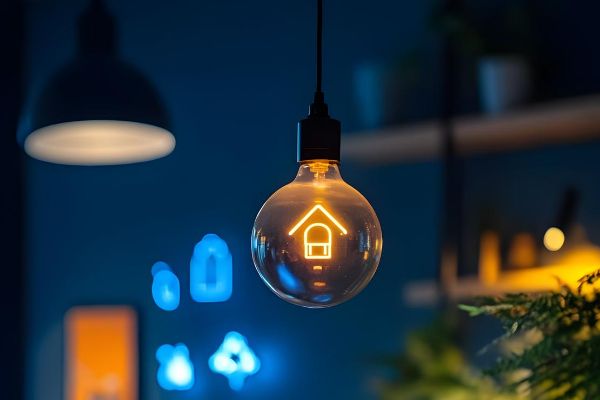
How Smart Lighting Works
Smart lighting systems connect to your home's electrical wiring and internet network. They can be controlled via:
Wi-Fi or Bluetooth connections
Central smart home hubs
Voice-controlled devices
Mobile applications
Components typically include:
Smart bulbs
Smart switches and dimmers
Motion sensors
Timers and automation controls
These systems allow you to turn lights on or off remotely, dim brightness levels, adjust color temperatures, and create preset lighting scenes for different times of day.
Key Benefits of Smart Lighting and Automation for Homes
Enhanced Convenience
Homeowners can control lighting from anywhere. Whether you're away on vacation or relaxing in bed, adjusting your lighting becomes effortless.
Increased Safety
Automated lighting schedules can simulate occupancy when you're not home, deterring potential intruders. Motion-activated lights also improve safety in hallways, staircases, and exterior areas.
Energy Efficiency
Smart systems reduce wasted electricity. Lights can automatically turn off when rooms are empty or adjust brightness based on natural daylight.
Customization and Comfort
Different lighting scenes can be created for entertaining, relaxing, working, or sleeping. Smart lighting adapts to your lifestyle rather than forcing you to adapt to it.
Increased Property Value
Homes equipped with modern smart features are more attractive to buyers and reflect updated electrical infrastructure.
Popular Smart Lighting Options for Modern Homes
Smart Dimmers and Switches
Replacing traditional switches with smart dimmers allows homeowners to adjust lighting intensity easily and program schedules.
Color-Changing LED Systems
Modern smart bulbs allow you to control color temperature and brightness. Warmer tones can be used in the evening, while cooler lighting improves productivity during the day.
Outdoor Smart Lighting
Exterior lighting can be automated for:
Driveways
Walkways
Landscaping
Security lighting
Smart outdoor lighting enhances curb appeal and safety.
Whole-Home Automation Systems
Beyond lighting, automation systems can integrate:
Thermostats
Security cameras
Door locks
Audio systems
Window treatments
Smart lighting and automation for homes often serve as the foundation for broader home automation systems.
Integrating Automation with Security and Energy Management
One of the biggest advantages of smart lighting and automation for homes is integration.
Security Integration
Lighting systems can connect to:
Security cameras
Alarm systems
Smart doorbells
Lights can automatically activate if motion is detected outside or when a door is unlocked.
Energy Monitoring
Some automation systems allow homeowners to track energy usage in real time. This data helps identify areas where energy consumption can be reduced.
Smart Scheduling
Lights can turn on gradually in the morning and dim at night to align with natural circadian rhythms, improving sleep quality and comfort.

Planning a Smart Home Electrical System
Successful automation begins with proper electrical planning.
Evaluate Electrical Capacity
Older homes may require panel upgrades or additional circuits to support smart devices safely.
Consider Wi-Fi Coverage
Automation systems rely on stable internet connectivity. Strategic placement of routers or signal boosters may be necessary.
Plan for Expansion
Smart home systems should allow room for future additions, such as EV chargers or solar energy integration.
Working with experienced professionals ensures your smart system integrates seamlessly into your existing electrical setup.
Common Mistakes to Avoid with Home Automation
Installing incompatible devices
Overloading circuits with new smart equipment
Relying on DIY installation without electrical expertise
Failing to plan for future upgrades
Ignoring cybersecurity considerations
Avoiding these mistakes ensures long-term performance and safety.
Why Professional Installation Matters
Although many smart devices advertise simple installation, improper wiring can create safety hazards.
Professional installation ensures:
Code compliance
Proper grounding and circuit protection
Reliable connectivity
Clean, organized wiring
Safe integration with existing systems
At First Class Electric LLC, we specialize in smart lighting and automation for homes throughout Tulsa. Our licensed electricians ensure that your system is safe, scalable, and professionally installed.
We understand local codes and design systems tailored to each homeowner’s needs.

Conclusion
Smart lighting and automation for homes offer far more than convenience. They improve safety, reduce energy consumption, and enhance daily comfort.
Whether you're building a new home or upgrading an existing one, automation systems represent a smart investment in both functionality and long-term value.
By working with experienced professionals, homeowners can ensure their systems are properly installed and designed for expansion.