

What Are Home Electrical Renovations and Upgrades?
Home electrical renovations and upgrades involve improving, modifying, or replacing existing electrical systems to meet modern safety standards, performance demands, and lifestyle needs. Unlike new home installations, renovations focus on updating aging infrastructure, correcting outdated wiring, and supporting new technologies.
Many homes in Tulsa were built decades ago, long before today’s electrical loads became standard. With modern appliances, home offices, smart devices, and electric vehicles, older electrical systems often struggle to keep up.
Upgrading your electrical system ensures your home remains safe, functional, and prepared for the future.
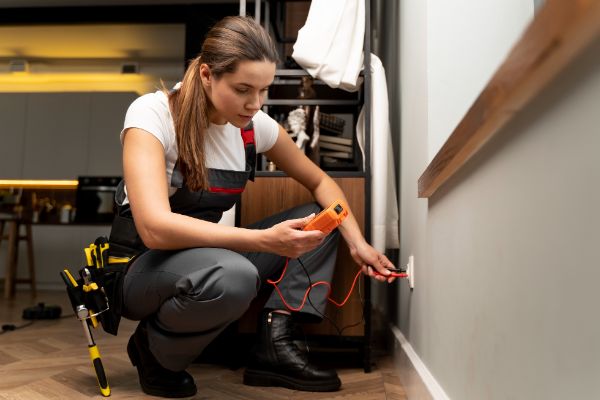
Why Electrical Upgrades Are Essential During Home Renovations
Electrical work is one of the most critical components of any home renovation project. Whether you're remodeling a kitchen, adding a room, or upgrading your entire home, electrical systems must be evaluated and often updated.
Electrical upgrades are essential because they:
Improve overall safety
Reduce the risk of electrical fires
Support modern appliances and devices
Ensure compliance with current electrical codes
Increase property value
Improve energy efficiency
Skipping electrical upgrades during a renovation can lead to costly corrections later and limit what you can safely add to your home.
Common Situations That Require Electrical Renovations
Remodeling Kitchens and Bathrooms
Kitchens and bathrooms are high-demand electrical areas. Renovations often require:
Dedicated circuits for appliances
GFCI protection near water sources
Updated lighting and ventilation wiring
Increased outlet capacity
Home Additions and Expansions
Adding bedrooms, offices, or living spaces increases electrical demand. Electrical renovations ensure the existing system can safely support the added load.
Older Homes with Outdated Wiring
Homes built decades ago may still use outdated wiring systems that no longer meet modern safety standards. Renovation is the ideal time to correct these issues.
Preparing for Smart Home Technology
Smart lighting, security systems, and automation often require updated wiring and electrical infrastructure.
Key Electrical Systems Commonly Upgraded in Homes
Electrical Panels and Breaker Boxes
One of the most common upgrades during home renovations is the electrical panel. Older panels may not have the capacity to handle modern loads.
Upgrading a panel allows for:
Additional circuits
Improved circuit protection
Compatibility with modern breakers
Future expansion options
Wiring and Circuit Upgrades
Electrical renovations often involve replacing or rerouting wiring to improve safety and efficiency. This may include upgrading wiring materials, increasing wire capacity, and separating overloaded circuits.
Outlets and Switches
Modern homes require more outlets than ever before. Electrical upgrades often include:
Adding outlets to reduce extension cord use
Installing tamper-resistant outlets
Upgrading switches to dimmers or smart controls
Lighting Systems
Renovations are the perfect opportunity to improve lighting design. Upgraded lighting enhances both function and aesthetics while reducing energy consumption.
Electrical Safety and Code Compliance in Oklahoma
All home electrical renovations and upgrades must comply with the National Electrical Code (NEC) and Oklahoma state and local regulations.
Code compliance ensures:
Safe installation practices
Proper grounding and bonding
Correct breaker sizing
Protection against electrical faults
At First Class Electric LLC, all electrical work is performed according to current codes and inspected to ensure full compliance.
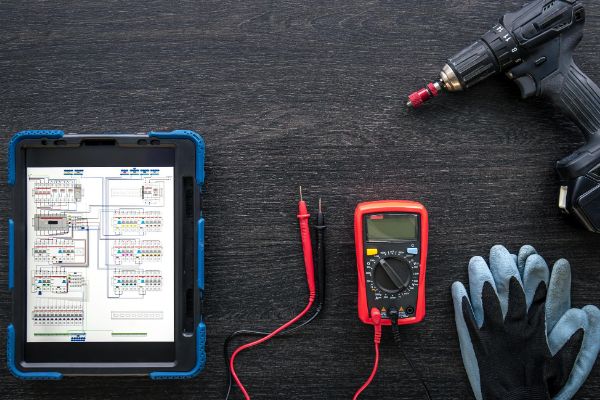
Energy Efficiency Benefits of Electrical Upgrades
Electrical upgrades play a major role in reducing energy consumption. Modern systems are designed to operate more efficiently and safely.
Energy-saving benefits include:
Lower electricity bills
Reduced electrical waste
Improved system performance
Compatibility with energy-efficient appliances
Upgrading lighting systems, wiring, and controls allows homeowners to enjoy a more sustainable and cost-effective home.
Planning an Electrical Upgrade the Right Way
Assess Your Current Electrical System
Before starting any renovation, a professional electrical assessment identifies limitations, safety risks, and opportunities for improvement.
Define Your Future Needs
Planning ahead prevents costly upgrades later. Consider:
Future appliances
Home office needs
EV charging
Smart home integration
Work with Licensed Professionals
Electrical renovations should always be handled by licensed electricians with experience in residential systems.
Mistakes Homeowners Should Avoid
Underestimating electrical demand
Ignoring code requirements
Adding features without panel upgrades
Attempting DIY electrical renovations
Hiring unlicensed contractors
Avoiding these mistakes ensures safety and long-term reliability.
Why Hiring a Licensed Electrician Matters
Electrical renovations involve complex systems that directly impact safety. Licensed electricians provide:
Code-compliant installations
Professional planning and execution
Long-term reliability
Warranty protection
First Class Electric LLC brings experience, professionalism, and trusted service to every home renovation project in Tulsa.

Conclusion
Home electrical renovations and upgrades are essential for maintaining a safe, modern, and efficient living space. Whether you're updating an older home or remodeling a specific area, electrical improvements should always be a priority.
A properly upgraded electrical system protects your home, supports modern living, and adds long-term value.