

What Are New Home Electrical Installations?
New home electrical installations involve the complete wiring and setup of a house's electrical system. This includes designing circuits, selecting the right materials, and ensuring compliance with national and local electrical codes. A well-planned installation ensures that every outlet, switch, light fixture, and appliance receives safe and reliable power.
Unlike renovations or upgrades, new home installations start from a clean slate. This offers the advantage of full customization based on the homeowner's lifestyle, technology needs, and future expansion plans.
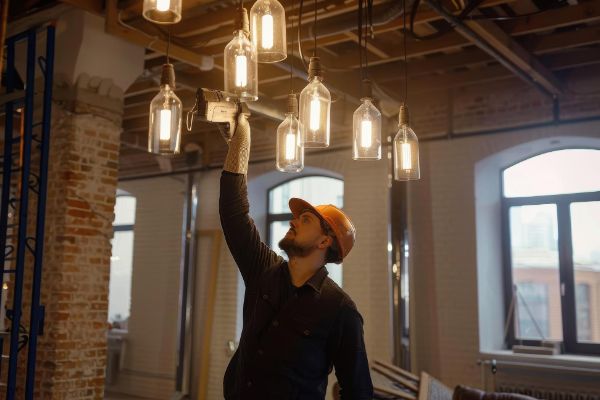
The Planning Stage: Laying the Groundwork
Planning is arguably the most important phase in a new home electrical installation. Here's what it entails:
Define Your Needs Room by Room
Walk through the blueprint of your future home with your electrician. Think about:
- How many outlets will you need in each room?
- Where will you place large appliances?
- Do you plan to install ceiling fans, chandeliers, or recessed lights?
- Will there be home automation features like smart lighting or thermostats?
Consider Energy Efficiency
Modern homes should be built with energy conservation in mind. Planning for LED lighting, occupancy sensors, and Energy Star-rated appliances can make your home more efficient and save on long-term electricity bills.
Future-Proofing Your Home
Your needs may change over time. Ask your electrician to plan for:
- Extra circuits in the panel for future additions
- Smart home integrations and automation
Phases of the Installation Process
Let’s break down the typical stages of electrical installation during home construction:
1. Pre-Wiring
After the framing is complete but before insulation and drywall, electricians install wires for outlets, switches, lighting, and appliances. This includes:
- Running cable through studs
- Installing electrical boxes
- Labeling circuits for clarity
This is also the time to install wiring for structured cabling, such as:
- Internet and ethernet
- TV and satellite connections
- Security systems and cameras
- Smart home systems
2. Main Panel Installation
The electrical panel (also known as a breaker box) is the heart of your home's electrical system. It's installed in a central location—usually the garage or utility room—and connects your home to the utility grid.
At First Class Electric LLC, we ensure your panel is sized correctly for your home's power needs and allows room for future expansion.
3. Final Wiring and Connections
Once drywall and painting are complete, electricians return to install:
- Light fixtures and ceiling fans
- Switches and outlets
- Cover plates and GFCIs
- Smoke and CO detectors
This phase also includes connecting appliances and ensuring that each system is correctly grounded and secure.
Common Electrical Features in New Homes
General Outlets and Switches
Modern homes require a higher number of outlets due to the proliferation of devices. Builders must meet code requirements for spacing and ensure tamper-resistant outlets for child safety.
Kitchen and Bathroom Requirements
These rooms require special attention:
- Dedicated circuits for appliances like microwaves, dishwashers, and garbage disposals
- GFCI (Ground Fault Circuit Interrupter) protection near water sources
- Proper ventilation wiring for range hoods and bathroom fans
Lighting Plans
Consider layering your lighting:
- Ambient lighting for general illumination
- Task lighting for kitchens, bathrooms, and offices
- Accent lighting for aesthetics and mood
Incorporating dimmers, timers, and smart controls can enhance both comfort and efficiency.
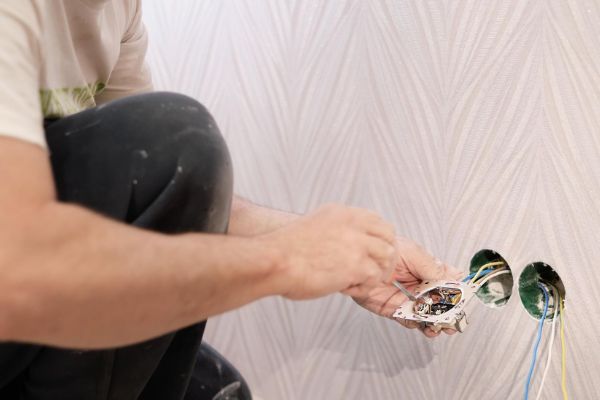
Electrical Codes and Compliance
All new home electrical installations must meet the National Electrical Code (NEC) standards, as well as local regulations specific to your area. This ensures:
- Fire safety
- Shock prevention
- Proper load distribution
At First Class Electric LLC, we handle all permits and inspections to ensure your project is 100% compliant and professionally approved.
Budget Considerations
The cost of new home electrical installations varies based on:
- Square footage
- Number of rooms
- Electrical features and technology
- Complexity of lighting and automation systems
While some homeowners may be tempted to cut costs, investing in a quality installation prevents costly repairs and increases the home’s value.
We always recommend working with licensed professionals like our team at First Class Electric LLC to get accurate estimates and fair pricing.
Why You Should Hire a Licensed Electrician
Choosing the right contractor is essential. Here’s why hiring licensed professionals makes a difference:
- Safety: Prevent electrical hazards during and after installation
- Code Compliance: Avoid fines or inspection failures
- Warranty Protection: Many home warranties are void if installations are done improperly
- Long-Term Value: Quality workmanship pays off in resale and reliability
At First Class Electric LLC, our electricians are certified, experienced, and committed to delivering top-tier residential electrical services in Tulsa and surrounding areas.
Common Mistakes to Avoid in New Home Electrical Installations
- Underestimating outlet needs: Always add more than you think.
- Poor placement of switches: Test them on the blueprint before construction.
- Skipping future planning: Think long-term (solar, EVs, automation).
- DIY wiring: It's risky, illegal without permits, and often requires costly corrections.
Trust the experts to help you avoid these pitfalls from day one.

Conclusion
Electrical planning and installation in a new home is more than just running wires—it's about designing a safe, efficient, and future-ready environment for your family. From detailed planning to code compliance and premium execution, every step matters.
If you're building a new home in Tulsa, First Class Electric LLC is your trusted partner in delivering reliable and custom-tailored residential electrical installations. We prioritize safety, comfort, and modern living to ensure your investment is protected from the start.